

Nothing in Particular
I can’t abide a horizontal life

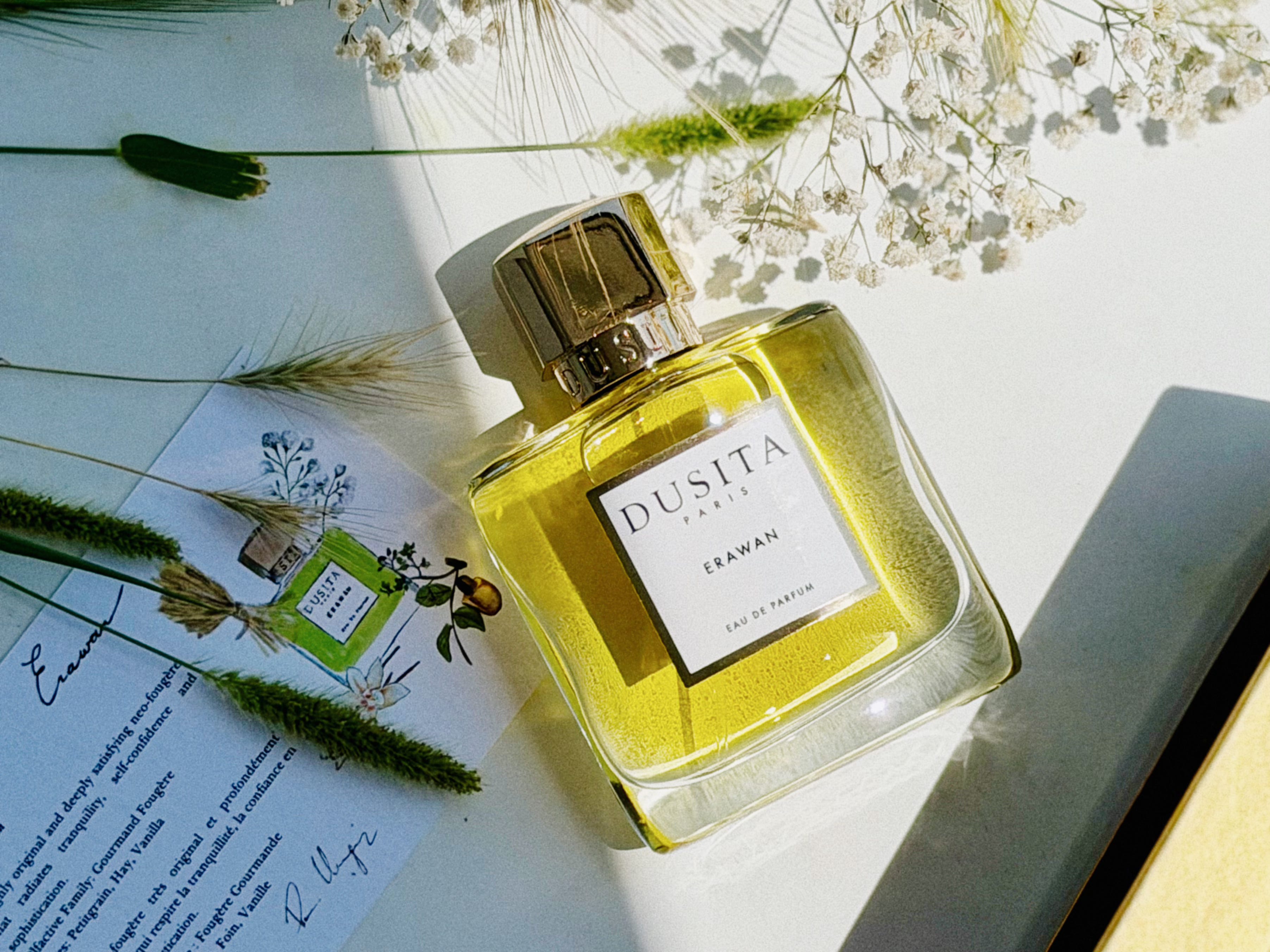
I read about Dusita for years before I smelled it. The trouble with living like that — here, then there, then somewhere else — is that you’re never in the one city with the big perfumery, and whatever everyone’s losing their minds over is always a step behind you or a step ahead. So I read. I knew the whole story of the house before a single drop touched my skin — a slightly humiliating way to be in love with anything.
A couple of years ago, when everyone had long cooled off and moved to the next thing, Dusita made it to Chișinău. And — unfortunately — almost nothing landed. I’d waited all that time and it just slid off, didn’t suit me, didn’t click. Two survived, Issara and Erawan. They stand so close that Pissara could have sold them as the eau and the extrait of one perfume, one name, and nobody would have blinked — the way nobody minds that the three Chanel no 5s don’t smell alike. But never mind.
I took a 15ml of Erawan. Then, soon, a second 15. And this Saturday I finally stopped pretending and admitted I need the 50.
Why it got me — and it’s not a flattering reason — is that I’m weak for a fougère. I love how relaxed they are. I love Jicky, I love Pour un homme de Caron, I love lavender, full stop — we have our own lavender fields here, you don’t have to sell me on it. The whole family is, really, childhood under a French name. Technically it’s the men’s aisle: fougères get sold to men, the barbershop, the aftershave — and I reach straight past the sweet, the pretty, the properly feminine for it without a thought. My grandfather’s shaving soap was a fougère, and I’d sit and watch him shave the way, I think, every child did: the brush whipping up the lather, the straight razor, the strop, the blade worked back and forth along the skin, the slow careful scrape. The whole ceremony, and over all of it that clean cool soap smell. The wardrobes at home smelled of it too: the dried lavender someone always tucked among the linens against the moths. Lavender is faceless, it’s the grey suit of smells. The family is even named after a fern, and a fern smells of nothing at all — the whole genre is a beautiful made-up nothing somebody invented in 1882. And even the famous origin story is a small swindle: the English were already making this exact fern, Trumper’s Wild Fern and the rest, and Houbigant lifted it, renamed it from wild Wild to Royal Fern so it would sound expensive, and took the credit for a hundred years. So it’s a made-up nothing, borrowed and relabelled to sound grand.
(The English and the French will turn anything into a contest and always have. Two countries that still can’t agree which of their kings was first to cure scrofula — a swelling of the glands in the neck — by walking a row of sick peasants and laying on hands. That was a genuine service the crown provided. And the thing historians come to blows over, a thousand years on, is who got there first. So forgive me for not losing sleep over a stolen fern.)
Erawan is the one that took all of that and made it a place I actually want to be. There isn’t even lavender in it, strictly: the official notes say clary sage, some herb doing lavender’s job. Doesn’t matter. It lands in exactly the same spot. What else is in there — I won’t say, and I won’t dress the not-knowing up as a riddle: half of what’s worth wearing is seamless like that, you don’t take a person apart into a nose and two eyes either. Pissara said it better than I could: it’s grass in the jungle after the elephants have walked over it. Trampled. And the second she says it you have the whole thing, in a way no note list would give you, because everyone alive has smelled green crushed open and going warm in the sun — the sap, the bruise — and nobody has smelled “petitgrain.” Of course it’s elephants. Erawan is the elephant, the gold three-headed one on the shrine in Bangkok that people bury in marigolds. With a name like that you brace for a temple. She laid him down in a field.
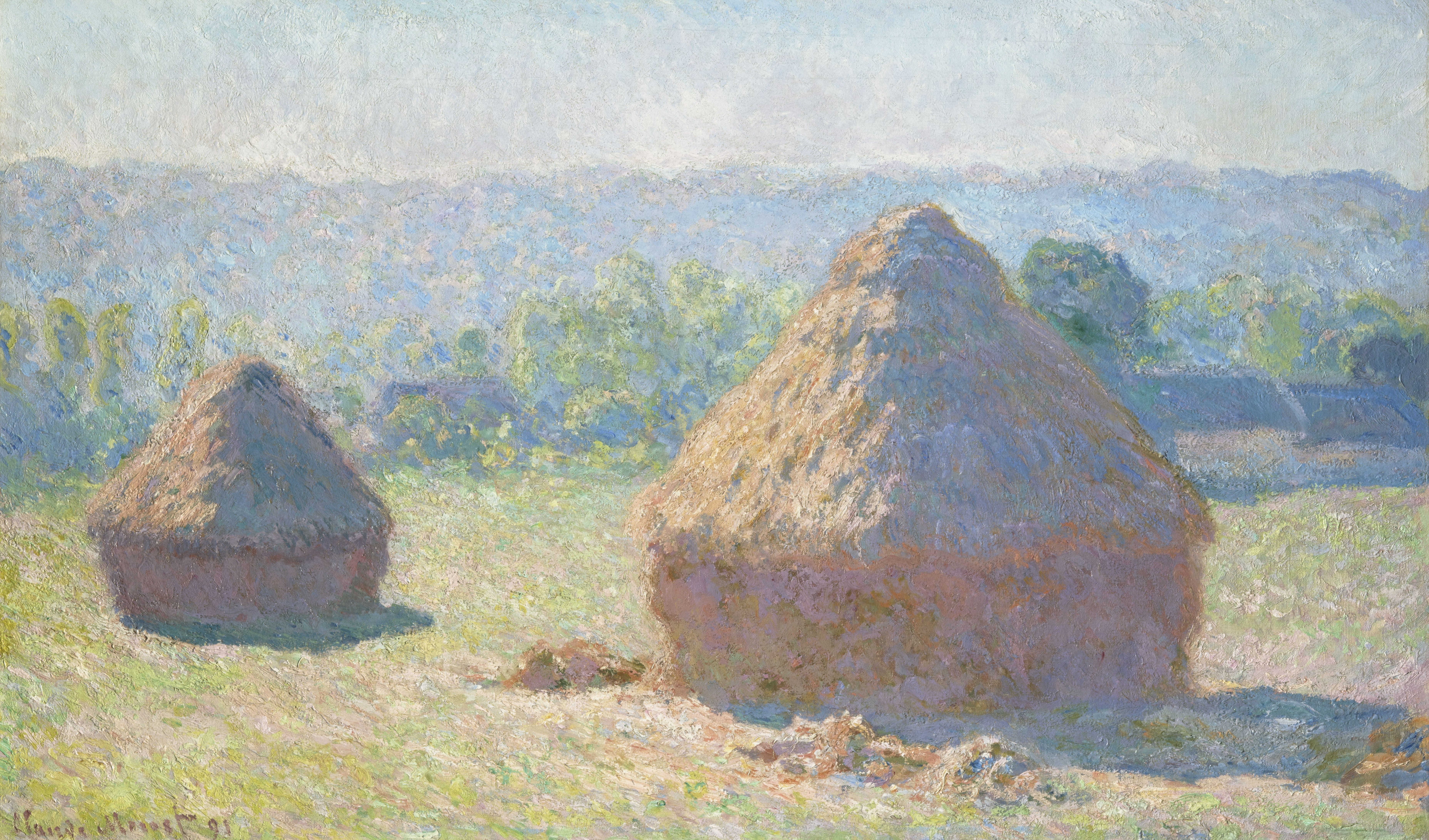
It isn’t quiet, whatever people want to think — I smell it on myself all day. It just won’t ever win me a compliment, and I’ve made my peace with that. Compliments go to the sweet ones, the warm-skin-and-vanilla ones, the ones that lean across the room at you, basically flirting. Erawan doesn’t flirt. It’s warm, a little plush, and quite pleased with itself, it just isn’t checking whether you approve. How she makes a thing this present and this indifferent at once, I don’t know. But she does.
There’s a whole sport around this now. A perfume gets graded on its sillage, its projection, its longevity, like an athlete: how far it throws, how long it lasts, how many heads it turns in a corridor. Sillage is just the French for the wake a boat drags behind it; the whole point of the word is that people know you passed. Erawan leaves no wake. It’s on me, close, where I can reach it, with nothing to prove to the open-plan office. In a moment when your scent is supposed to be a flex, a thing you broadcast, it’s almost rude how little it cares whether anyone noticed.
What it smells of, if you press me, is contentment. The Italians have the phrase, dolce far niente, the sweetness of doing nothing. Some old aristocrat on his own warm hill who never once had to earn his rest because rest is simply the air he was born into. That’s one face. The other is younger: a kid flat on his back in tall grass, a stem in his teeth, sun coming pink through his eyelids, his whole life still ahead and nothing in it yet that needs fixing. The same nothing-wanted, fifty years apart — the man who’s stopped wanting and the child who hasn’t started — and Erawan smells of both at once. Which, given where I came in — grandfather’s soap, lavender in the wardrobe — is probably why it undid me.
I lifted the title, as it happens, from a The Divine Comedy song — Neil Hannon’s narrator can’t abide a horizontal life, so he rises, assumes the perpendicular, makes his complimentary sounds and talks, gloriously, about nothing in particular. Erawan is the opposite and the same: still nothing in particular, only horizontal to the bone, flat in the grass with no intention of getting up for anybody.
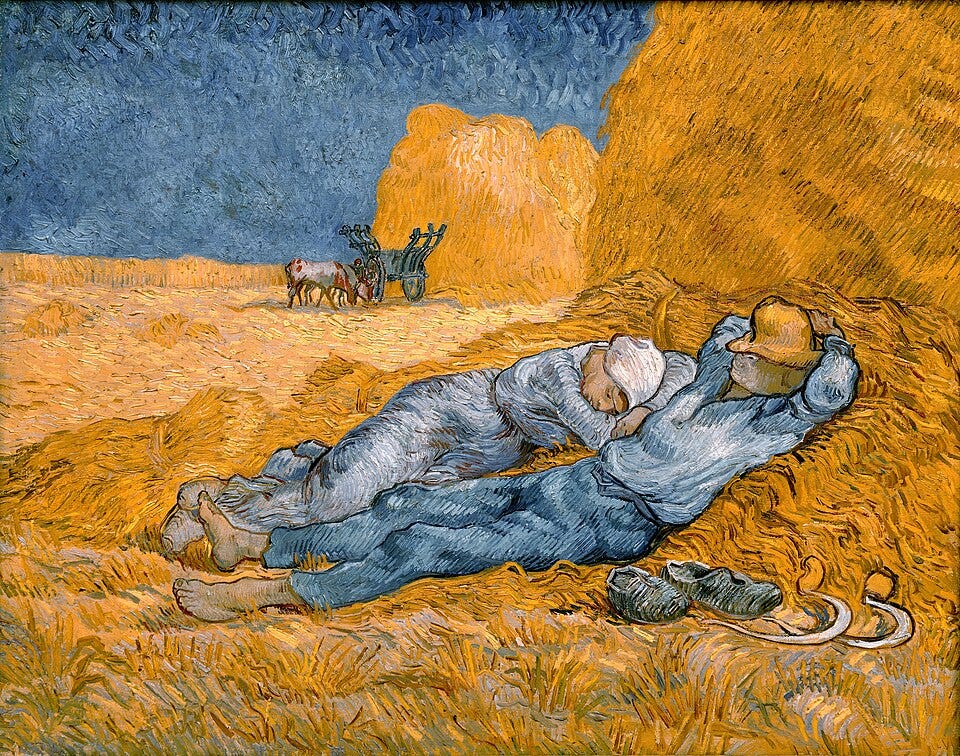
It’s stranger to wear than it sounds, because nothing is allowed to want nothing anymore. Even rest has a job now: sleep so you perform, the weekend in service of Monday. And here’s a gold elephant in the grass with no plans whatsoever, and it’s the most relaxing thing I own precisely because it isn’t trying to relax me. It’s not a lavender candle whispering self-care. It just doesn’t want anything, and you can stand next to that for a while.
The other reason, the bitter one, for the nerd: it has a real floor. Oakmoss — the dark, damp, forest-bottom thing that gave the old fougères their depth. Erawan has that dark under the sun. A fougère with an actual bottom to it, these days, is almost a small act of defiance.
And right now especially. It’s brutally hot here — that European-summer heat where you don’t want to do anything at all — and half my perfumes have gone sour on me. Erawan only gets better. Which makes sense: it was a hot-country scent to begin with, jungle grass in the sun; it doesn’t fight the heat, it just lies down in it next to you.
I just like having it on. It’s like spending the day next to someone completely fine — who isn’t doing anything, doesn’t want anything from you, just lies in the warm grass, content — and you come away calmer for having been near. Which is, I suppose, what I was after the whole time I was reading about it from the wrong city. The grass is still warm where the elephant lay down. You could put a stem in your teeth and stay.
I am loving these articles so much. Just beautiful writing about a subject I love. I had a similar experience with Dusita, after reading so many rave reviews I expected to love several but I have still to find "my" Dusita. On the English-French rivalry, I learnt recently that M. Guerlain, yes the founder, trained at Floris in London. One up to the English?!
What an absolutely evocative, beautiful article. Thank you for sharing these beautiful thoughts with us.